


A professional manager, according to the UNESCO Business Development Club, is an individual who possesses a set of specific characteristics and capabilities that enable them to lead a sustainable, innovative, and responsible business, going beyond conventional managerial skills. This person not only requires specialized knowledge and skills in management but must also embody personal traits and values that make them a role model for employees and the community.
A professional manager is an individual with the knowledge, skills, and experience to lead, organize, and control an organization’s resources. By establishing a clear vision and setting specific goals, they guide their team toward success.
Characteristics of a Professional Manager
Roles of a Professional Manager
Importance of a Professional Manager in an Organization
In summary, a professional manager is not only a leader but also a coach and role model for the team. Through their knowledge, skills, and experience, they drive the organization toward its goals and enable it to thrive in today’s competitive environment.
The UNESCO Business Development Club contributes to the development of professional managers by organizing training courses, workshops, conferences, and creating networking opportunities. Focusing on UNESCO’s values such as education, culture, science, and communication, the club aims to cultivate managers who can contribute to sustainable development and the advancement of communities.
Some of the club’s activities for fostering professional managers include:
In summary, a professional manager, according to the UNESCO Business Development Club, is an individual who, in addition to managerial knowledge and skills, possesses personal traits and values that make them a successful leader and role model. The club helps nurture this category of managers through various programs and activities.
Recognizing and issuing certifications for professional managers by the UNESCO Business Development Club is significant for several reasons:
For Professional Managers:
– Credibility and Formality: Receiving a certificate from a reputable international organization like UNESCO adds credibility and formality to managers, enhancing their position in the job market.
– Professional Development: This process helps managers better understand their strengths and weaknesses, allowing them to plan for further skill development.
– Networking: By joining this club, managers gain the opportunity to connect with other professional managers and business experts.
– Knowledge Update: Participating in the club’s educational programs and evaluations keeps managers informed about the latest achievements in management.
For Organizations:
– Attracting Skilled Personnel: Organizations can enhance the quality of their workforce by hiring managers certified by this club.
– Increased Productivity: Professional managers with updated knowledge and skills can boost organizational productivity.
– Enhancing Organizational Reputation: Employing managers who hold certification from a reputable institution contributes to improving the organization’s image in the market.
For Society:
– Business Development: By elevating the knowledge and skills of managers, businesses can grow more effectively and contribute to the country’s economy.
– Improving Management Quality: This process aids in enhancing the quality of management in organizations, benefiting society as a whole.
– Promoting a Professional Culture: Recognizing and honoring professional managers helps to promote a culture of professionalism and work values in society.
Role of the UNESCO Business Development Club:
– Creating International Standards: The club establishes specific standards for professional managers, helping to create a unified criterion for evaluating managers.
– Promoting Management Knowledge: By organizing training courses, conferences, and publishing articles, the club promotes knowledge in management and business.
– Building a Network of Professional Managers: The club facilitates the exchange of experiences and collaboration among professional managers by creating a network.
– Supporting Sustainable Development: With a focus on sustainable development, the club trains managers to run their businesses in a way that does not harm the environment and society.
In conclusion, recognizing and certifying professional managers by the UNESCO Business Development Club is a crucial and effective initiative aimed at enhancing management standards within organizations and promoting sustainable business development.
To receive a Professional Manager certificate from the UNESCO Business Development Club, a set of indicators and criteria is considered, reflecting the necessary skills, knowledge, and experiences for a successful manager. These indicators are typically assessed across various domains, such as leadership, strategy, human resource management, innovation, and social responsibility.
Key Evaluation Indicators:
– Mastery of Management Concepts: Deep understanding of management principles and theories, strategy, marketing, finance, and human resources.
– Analytical Skills: Ability to analyze data, identify issues, and propose effective solutions.
– Decision-Making Skills: Capability to make quick and accurate decisions in complex and high-pressure situations.
– Problem-Solving Skills: Proficiency in identifying and addressing complex business challenges.
– Familiarity with New Technologies: Awareness and ability to utilize modern technologies in business.
– Motivational Ability: Skill in inspiring and guiding the team towards organizational goals.
– Communication Skills: Proficiency in establishing effective communication at various organizational levels.
– Team-Building Skills: Ability to form efficient teams and foster a positive work culture.
– Systemic Perspective: Understanding the relationships between different organizational components and the impact of decisions on the overall system.
– Change Management: Ability to implement positive changes in the organization and manage resistance to change.
– Relevant Work History: Proven experience in management roles.
– Professional Achievements: Documented accomplishments in management, such as sales increases, productivity improvements, and cost reductions.
– Successful Project Leadership: Experience leading complex projects effectively.
– Accountability: Willingness to take responsibility for the outcomes of personal and team efforts.
– Flexibility: Ability to adapt to new changes and conditions.
– Commitment to Ethical Values: Adherence to ethical principles in all decisions and actions.
– Social Responsibility: Dedication to social and environmental responsibilities.
– Transparency and Honesty: Commitment to principles of transparency and honesty in all interactions.
– Respect for Others: Valuing colleagues, customers, and other stakeholders.
– Ability to Generate New Ideas: Talent for producing innovative and creative ideas to enhance organizational performance.
– Continuous Learning Orientation: Eagerness to learn and develop personal and professional skills.
– Risk-Taking Capability: Willingness to accept calculated risks to achieve long-term goals.
To obtain a Professional Manager certificate from the UNESCO Business Development Club, the following documents are required:
The evaluation process for obtaining a Professional Manager certificate from the UNESCO Business Development Club generally includes the following steps:
1.Completion of Application Form and Submission of Documents:
– Application Form: The form must be filled out completely and accurately, including personal information, educational background, work experience, achievements, and career goals.
– Required Documents: Along with the application form, additional documents such as a resume, educational certificates, letters of recommendation, training certificates, and work experience documentation must be submitted.
– After receiving the documents, club experts conduct an initial review to ensure that the applicant meets the basic eligibility criteria for the evaluation.
– At this stage, experts thoroughly examine the submitted documents and compare them against the club’s evaluation criteria, which include knowledge, skills, experience, and achievements in management.
– In some cases, feedback may be solicited from colleagues or previous managers regarding the applicant’s capabilities.
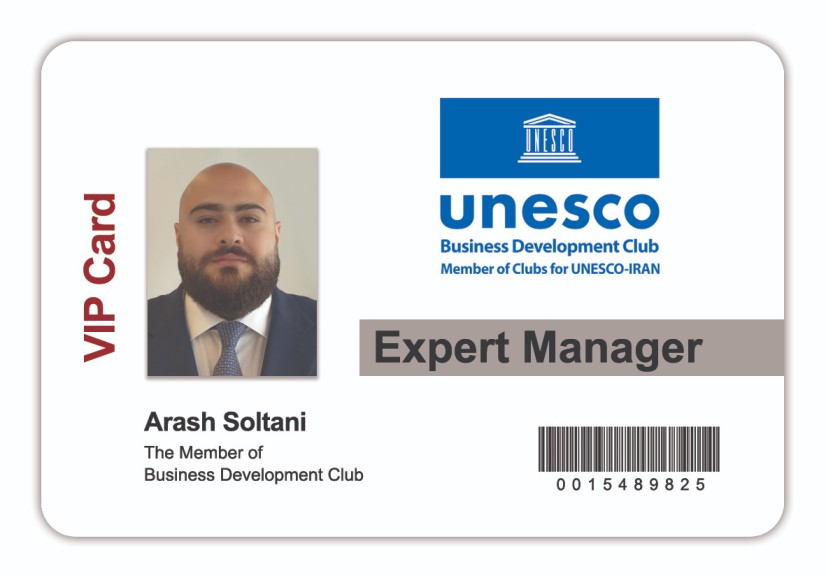
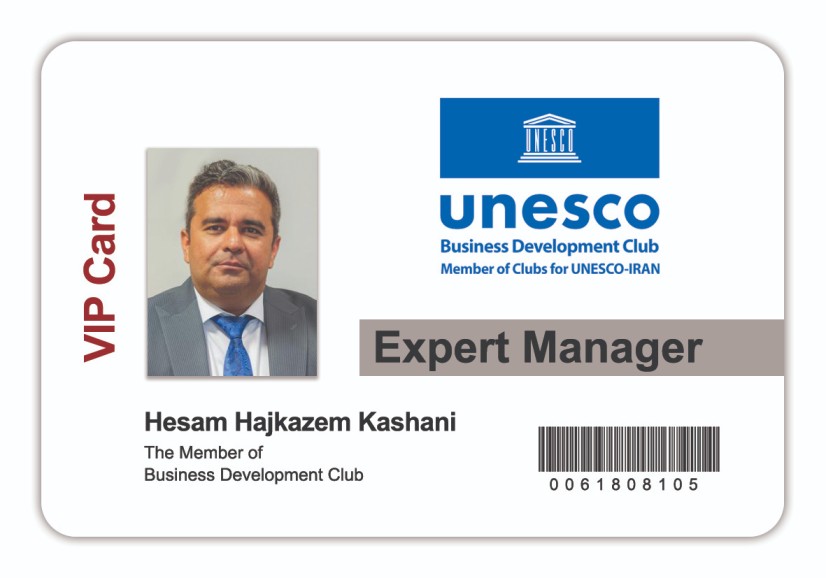
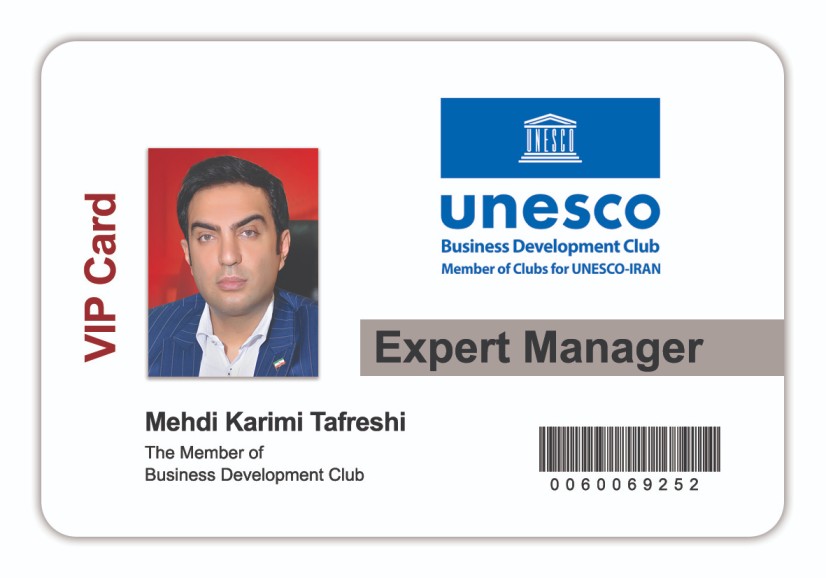
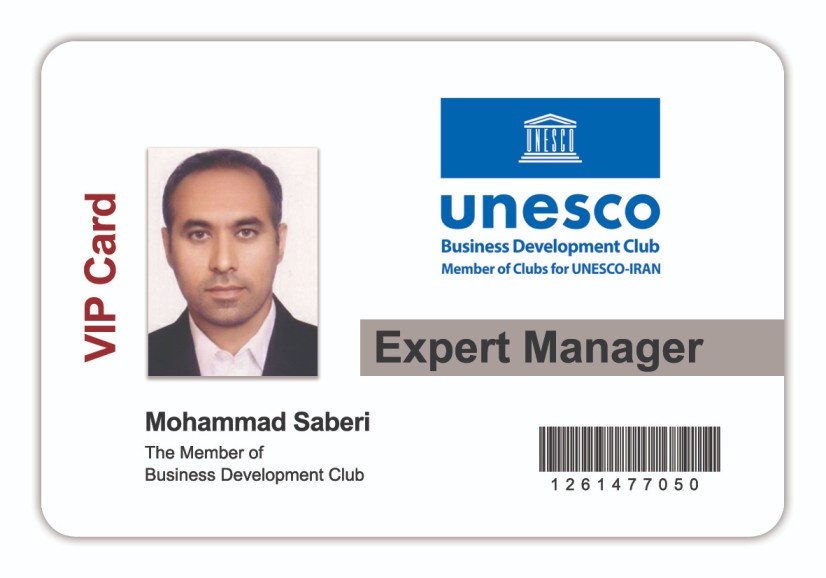
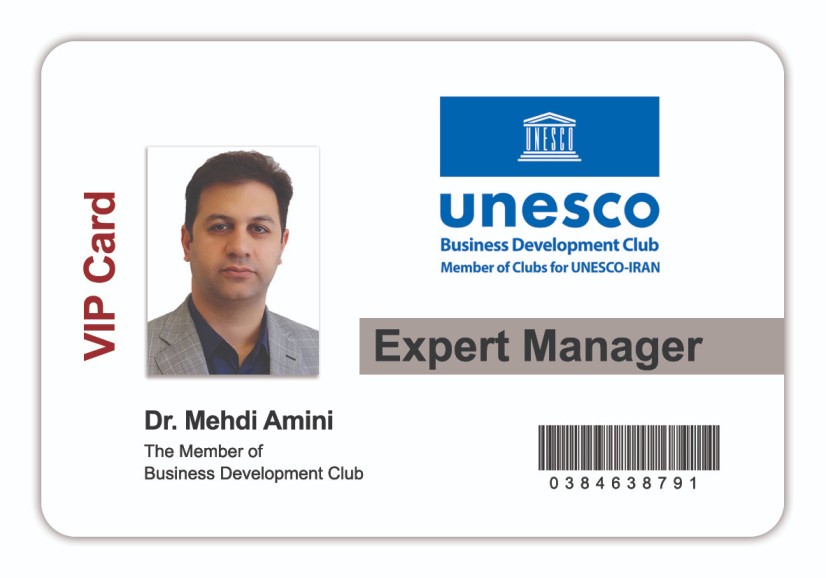
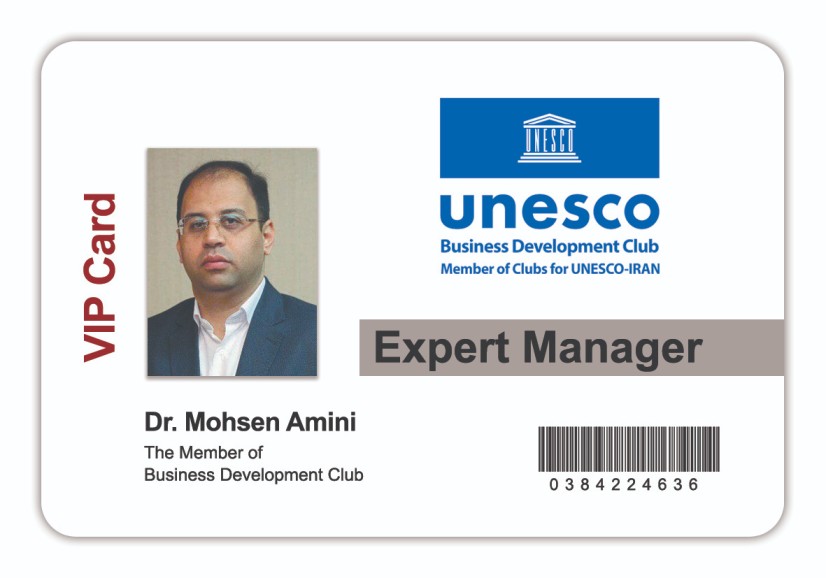
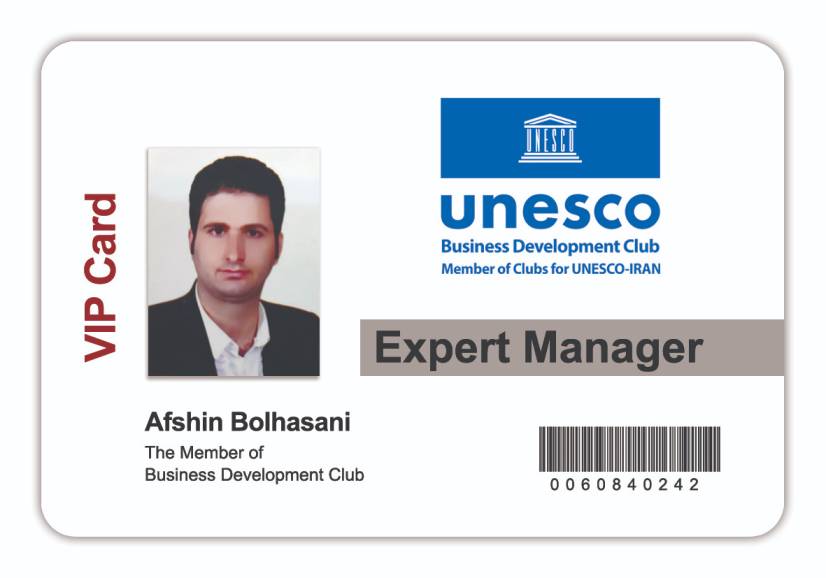
– After reviewing all information and evaluations, the club’s evaluation committee makes the final decision regarding the issuance of the certificate, and the certificate and card are issued to the applicant.
© 2026 All Rights Reserved.
About Club
Club is an organization that has scientific, educational, cultural, and artistic purposes with non-commercial, non-political, non-profit, and non-union purposes and international in nature, in full compliance with the laws and regulations of the Islamic Republic of Iran and based on the programs and statutes of the commission. Iran's National UNESCO and UNESCO International Organization and this statute will operate and will carry out its activities with the approach of laying the foundation and expanding scientific and educational processes in the field of business development in the country, through the participation of social, public and private institutions and organizations.